Why we're building iOS-first, and what it costs us
Choosing depth on one platform over a thinner presence on two, and what we give up to do it.
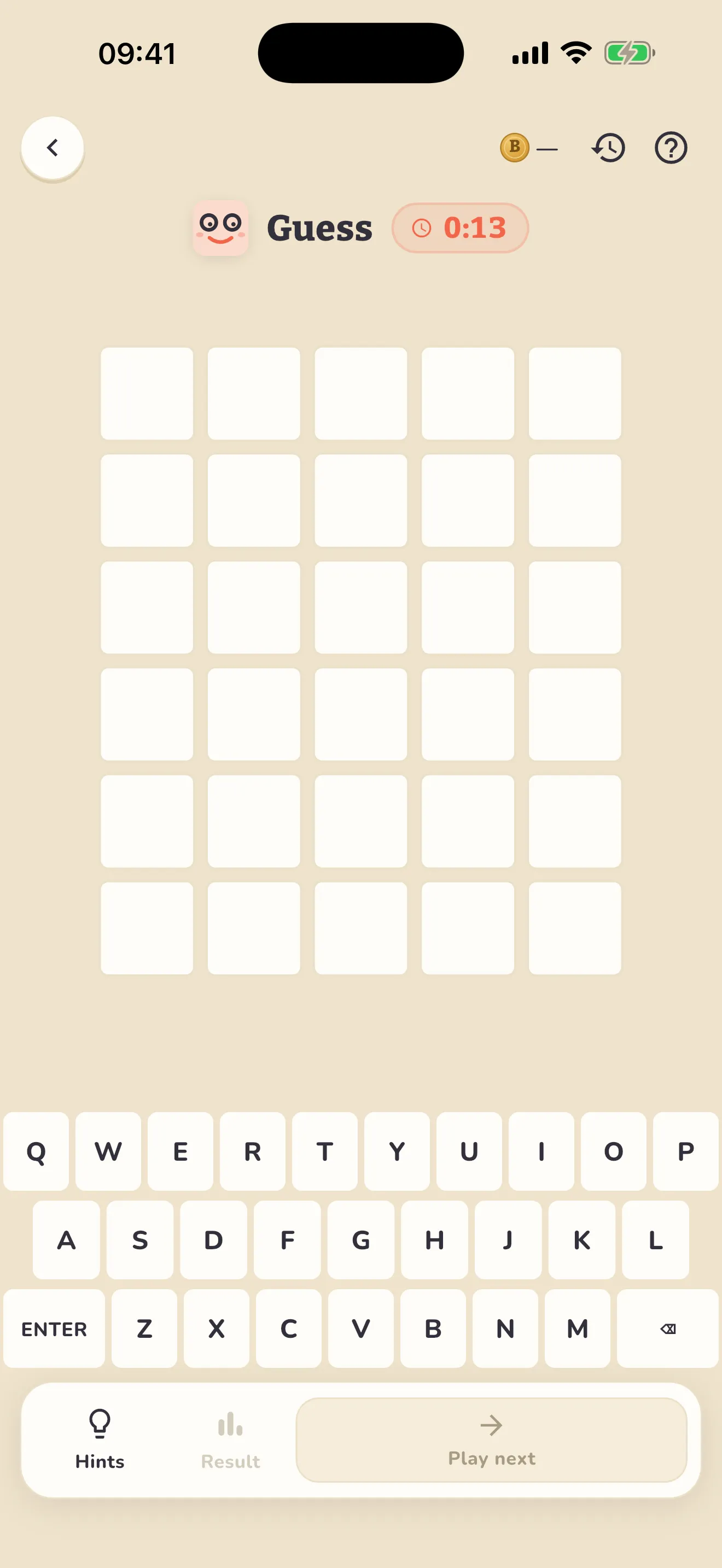
Boondle is launching on iOS, with Android to follow later. For a studio that wants as many people as possible to play, that looks like the wrong way round. Android has the larger share of phones worldwide by a wide margin. Choosing to build for the smaller platform first, on purpose, needs a better reason than habit. Here is ours, including the parts that are genuinely a cost.
The case for going deep before going wide
We are two people. Every hour spent making one platform feel right is an hour not spent making a second one feel adequate. We would rather ship one version that feels like it belongs on the device than two that feel like the same web page wearing different hats.
Building iOS-first lets us use the platform as it actually is, rather than the thin common denominator that works everywhere. Native gestures. Haptics that respond when you place a letter. Notifications that arrive when the new puzzle does. Type that respects the system settings someone chose for a reason. Dynamic Type, dark mode, the share sheet, all of it working the way an iPhone owner already expects, because we only had one set of expectations to meet.
There is a practical reason too. Apple’s editorial team notices apps that feel at home on the platform, and a feature from them would matter enormously to a studio with no marketing budget. You do not earn that by being present. You earn it by being good on the device, which is far easier to be when the device is the only one you are targeting.
What it actually costs us
We should be honest about the other side, because pretending there is no downside is how you end up believing your own pitch.
The obvious cost is reach. Every month we are iOS-only is a month a large group of people simply cannot play Boondle, however much they might want to. Some of them will hear about it, try to find it, come up empty, and never think about it again. We do not get those people back later. A daily habit works by being there every morning, and for Android users we are not there yet. That is a real loss, not a rounding error, and we feel it every time someone asks where the Android version is.
There is a quieter cost as well. Building for one platform makes it tempting to lean on things that do not travel. A gesture that feels perfect on iOS, an animation that leans on a particular framework, a layout that assumes one idea of how a screen behaves. If we are not careful, iOS-first quietly becomes iOS-shaped, and the Android version turns into a painful retrofit instead of a fair port. So we are drawing a line in the code between the rules of the game and the way the game is presented. The logic of a puzzle, how it is generated, scored, and stored, should not know or care what kind of screen it is being played on. Only the outer layer should be platform-specific. It is more discipline now in exchange for a far less painful second platform later.
Why this order and not the other
We thought about doing it the other way, leading with Android for the reach and treating iOS as the follow-up. We decided against it for one reason: we know iOS best, and a first release is the worst possible time to also be learning a new platform. The first version of a product is where you are still discovering what the product even is. Doing that discovery on the platform where we are fastest means more of our attention goes to the game and less to fighting our tools. Once Boondle knows what it is, porting a known quantity to Android is a far more contained job than inventing it there from scratch.
None of this is permanent. Android is a when, not an if, and the groundwork for it is going in now rather than being promised vaguely for later. We would simply rather arrive on the second platform with something already proven than arrive on both at once with something half-formed on each. Depth first, then width. It costs us reach in the short term. We think it buys us a better game, and a better second launch, in return.